







Search Results for: Charcoal Roasting
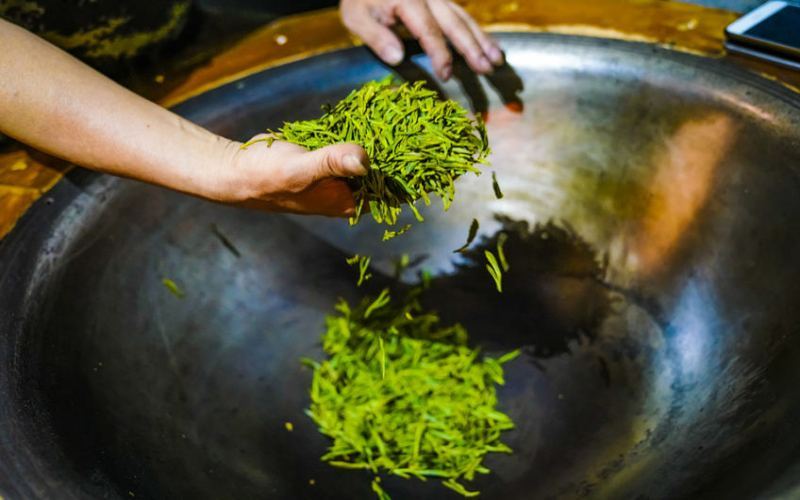
Exploring Charcoal-Roasted Dancong Oolong: Craft Features, Cinnamon Aroma Profile, and Annual Production Trends
Charcoal-roasted Dancong is a uniquely flavored category within Phoenix Dancong, and its production process is completely different from ordinary roasting. Starting from tea farmers' charcoal-roasting practices, this article sorts out the seasonal schedule, operational procedures, and technical key points of charcoal-roasted Dancong, and addresses common questions such as whether cinnamon-flavored Dancong contains added cinnamon, its annual output, and market prices. It also introduces the effects of charcoal roasting on the tea's internal substances and storage durability, helping coffee enthusiasts and tea lovers understand the value of this traditional craft. Recommended products from Front Street Coffee are also presented in the article. [more…]
Analysis of the Differences Between Japanese Charcoal-Roasted Coffee and Regular Coffee: The Bitter Secret of Deep Roasting and Pour-Over Techniques
Charcoal-roasted coffee is a deeply roasted coffee style originally created in Japan, known for its extreme bitterness, absence of acidity, and its toasty, sweet, and mellow character. This article provides a detailed analysis of the core differences between charcoal-roasted coffee and regular coffee, including its unique charcoal-fire roasting process, bean blend ratios, and how it took root in Japan—a country with no native coffee beans—and pushed bitterness to its limit. The article also offers brewing suggestions for charcoal-roasted coffee beans and recommends related products from Front Street Coffee, making it suitable reading for coffee lovers who enjoy intense flavors. [more…]
What makes Wuyishan Tongmuguan Old Bush Black Tea so unique? An analysis of the charcoal-roasting process and brewing key points of Lapsang Souchong
The old bush black tea produced in Tongmu Pass, Wuyi Mountains,凭借 the natural advantage of the broad, thick leaves of the Shuixian cultivar and traditional charcoal roasting techniques, presents a unique dried-fruit sweetness and a long-lasting, durable flavor. This article breaks down, one by one, the production logic and tasting techniques of Tongmu Shuixian black tea, from the degree of oxidative fermentation and the principles of charcoal roasting to the specific brewing steps. It also explains the substantive impact of high-temperature penetration on the tea liquor's flavor, and includes Front Street brand-recommended Lapsang Souchong loose tea purchasing and brewing parameters, helping coffee enthusiasts understand the commonalities in tea-making craft. [more…]
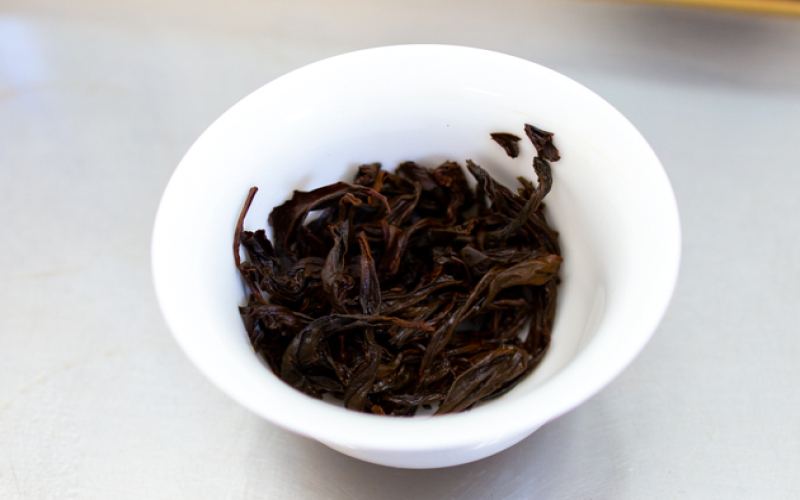
An Analysis of the Relationship Between Tongmu Caicha and Lapsang Souchong: The Source of Lapsang Souchong's Sweetness and a Flavor Comparison with Wuyi Qizhong
As the originator of black tea in the world, Lapsang Souchong's unique fruity sweetness is inseparable from the unique small-leaf vegetable tea variety of Tongmu Village and the traditional charcoal roasting process. This article will start from the maturation mechanism of the charcoal roasting process, compare the flavor differences between Tianxiang Xiaochi, Wuyi Qizhong, and Tongmu Xiaocai Tea, and answer common questions such as whether Tongmu Xiaocai Tea belongs to Lapsang Souchong and whether it is normal for Lapsang Souchong to taste sweet. At the same time, the article will also introduce the traditional smoky-scented special-grade Lapsang Souchong recommended by the Front Street Coffee brand, as well as the peach-mango aroma characteristics of Qizhong black tea produced in the naturally cultivated tea garden at an altitude of 1,200 meters in Tongmu Pass, providing coffee and tea beverage enthusiasts with a detailed black tea flavor reference. [more…]
What's the difference between Tieguanyin and Red Oolong? Understanding everything from fermentation level and flavor to charcoal roasting features at a glance
Tieguanyin and Red Oolong both belong to the oolong tea family, yet due to differences in fermentation degree and tea-making craftsmanship, they present截然不同的 flavor profiles. This article approaches the comparison from three dimensions—sweetness type, level of fermentation, and tea liquor color and acidity—comparing the aroma, taste, and characteristics of the dry leaves and brewed tea of each, while also analyzing the unique growing conditions and production traditions of Taiwanese oolong tea. The article also introduces the origin of the name Tieguanyin and its cultivation situation in Taiwan, and recommends related products from Front Street Coffee for the reference of coffee and tea enthusiasts. [more…]
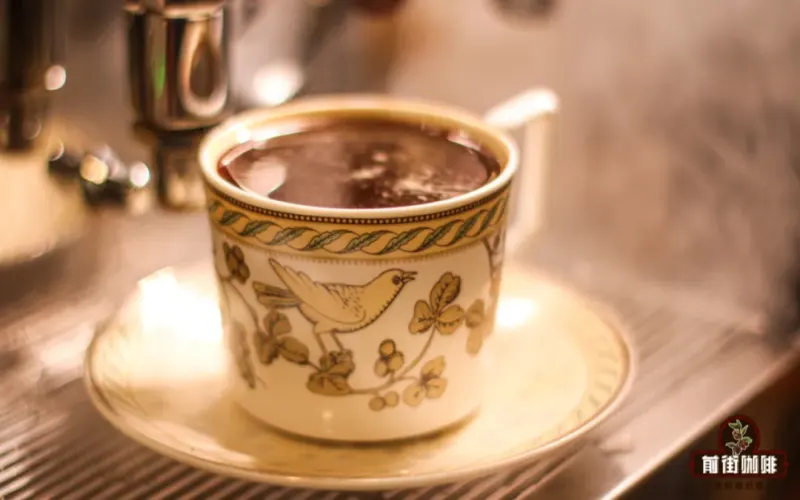
Analyzing the Causes of Smoky Flavors in Coffee: Differences Between Dark and Light Roasts and a Detailed Explanation of Charcoal-Roasted Coffee
In coffee tasting, how exactly is the emergence of smoky aroma related to the degree of roasting? This article will focus on the physical changes of coffee beans during roasting to explain the formation principle of smoky flavor, while systematically comparing the differences between dark-roasted and light-roasted coffee, and explaining the characteristics of charcoal-roasted coffee. The article also mentions relevant product information from Front Street Coffee to help enthusiasts more clearly understand the influence of roasting on flavor direction. [more…]
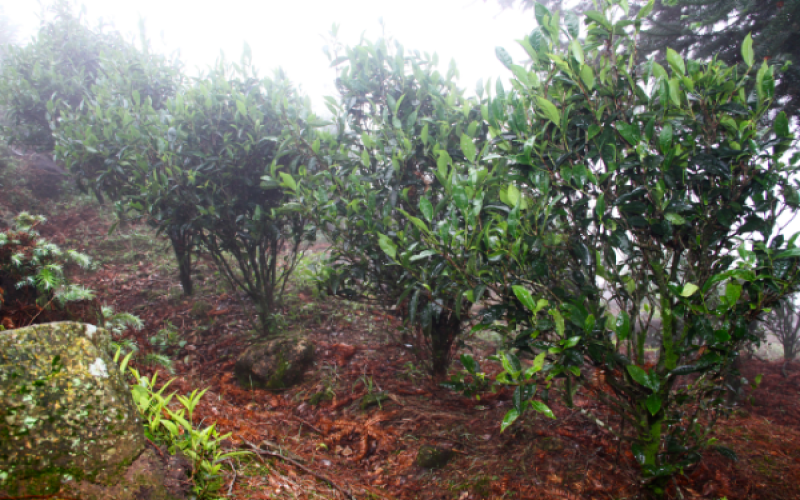
Is Wudong Magnolia Fragrance Dancong More Authentic? Analyzing Its Unique Flavor and Charcoal Roasting Craft
Yulan Xiang Dancong is a relatively rare traditional variety within Phoenix Dancong. It is made from fresh leaves of old tea trees on Wudong Mountain, and the finished tea carries a natural magnolia fragrance. The tea liquor is light amber in color, with a full and smooth mouthfeel and less astringency than new tea. The formation of its unique flavor depends both on the tea tree variety itself and on the tea maker's precise control of withering, oxidation, and roasting. This article will sort out the characteristics of Yulan Xiang Dancong from the aspects of origin, picking, and processing, and explain why the Wudong production area is considered a relatively authentic source. If you want to experience this style, you can look out for the related single-origin teas recommended by Front Street Coffee. [more…]
A Morning Cup of Black Coffee: A Detailed Guide to Varieties and Flavors, Plus the Advantages of Low Sugar and Low Calories
In the early morning, a can of black coffee is enough to awaken the sleeping senses. Black coffee adds no embellishment whatsoever, fully releasing the raw, rugged character of the coffee beans, with bitterness, acidity, aroma, and body interweaving into a distinct flavor profile. However, this taste of bitterness, acidity, and astringency coexisting is not something everyone can easily accept. Black coffee products on the market vary widely in style: some lean bitter, some are mildly bitter and acidic, some have pronounced acidity and bitterness, and there are also charcoal-roasted, blended, and various flavored coffees, each with different levels of sweetness and creaminess. This article sorts through these common categories and the taste characteristics of representative products one by one, while also explaining the natural advantages of black coffee—low sugar and low calories—to help coffee lovers find the one that suits them among the many choices. [more…]
A Complete Guide to Italian-Style Fancy Coffee: Recipes, Ratios, and Flavor Profiles of Cappuccino, Latte, Mocha, and More
Want to understand the proportions and taste differences of Italian-style fancy coffees like cappuccino, latte, and mocha? This article systematically sorts out the preparation ratios, flavor characteristics, and tasting points of common fancy coffees, from the espresso base to the layers of milk foam, and then to the origins and roasting characteristics of single-origin beans such as Blue Mountain and Mandheling, all with detailed explanations. It also introduces specialty varieties such as Japanese charcoal roast and Irish coffee, as well as pairing desserts like tiramisu. Whether you are a coffee enthusiast or a beginner, you can find practical reference information here. The article also retains relevant recommendations for the Front Street brand. [more…]
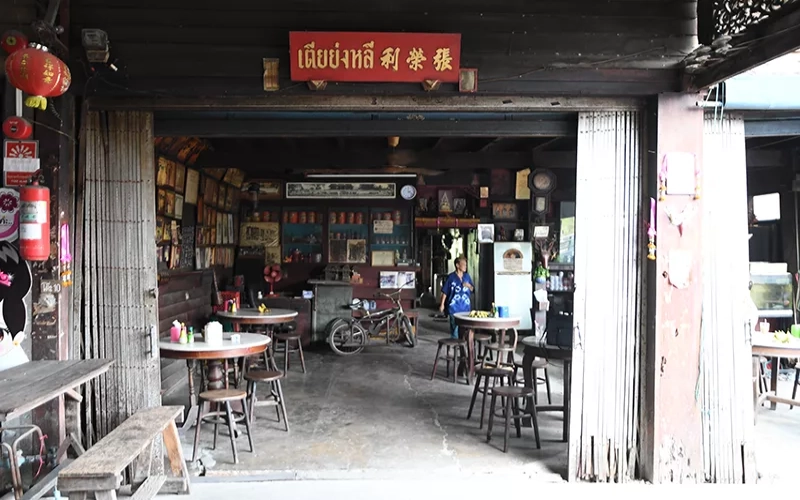
A Century-Old Thai Coffee House's Enduring Spirit: Traditional Brewing Craft and the Generational Legacy of a Single Cup of Coffee
As the specialty coffee wave sweeps the globe, with pour-over, espresso, and golden cup extraction dominating the conversation, is there still anyone willing to pause for a cup of the most traditional coffee? In Pathum Thani Province, Thailand, a century-old café named Zhang Lirong quietly tells a different kind of coffee story through a single stainless steel coffee pot, a cheap drip filter spoon, and three generations of perseverance. There are no specialty beans here, no intricate techniques—only charcoal-roasted Robusta, a humble menu annotated in Teochew dialect, and the warmth of a ten-baht cup. This article takes you inside this century-old Siamese establishment to experience the cultural heritage that transcends flavor behind traditional brewing methods, and to glimpse similar steadfast traditions such as Hong Kong charcoal-roasted coffee. [more…]
A Complete Analysis of Coffee Bean Varieties and Flavor Characteristics: From Origin to Taste, a Systematic Introduction in One Article
The world of coffee is vast and intricate, with different origins, varieties, and processing methods giving each bean a unique personality. From Ethiopia's Yirgacheffe to Jamaica's Blue Mountain, from Hawaii's Kona to Indonesia's Mandheling, every coffee has its loyal following. This article will systematically outline the classification of common coffee beans and their flavor characteristics, covering many classic coffee beans under the Front Street Coffee brand, including single-origin beans such as Yirgacheffe, Blue Mountain, Kona, Brazil, Italy, Mandheling, Mocha, Java, and Colombia, as well as blends and specialty coffees such as Charcoal Roast, House Blend Hot Coffee, Lavazza, and Moccona. Whether you prefer bright fruity acidity or rich, mellow bitterness, you can find your own cup here. [more…]
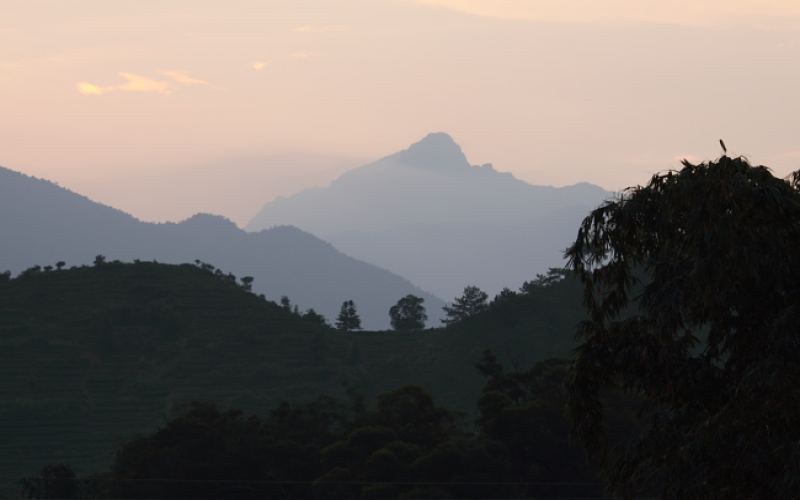
Where can I buy authentic Phoenix Ginger Flower Fragrance Dancong charcoal-roasted oolong? What is the approximate price per liang? Includes tasting notes.
Ginger Flower Fragrance Dancong is one of the most beloved aroma types among Phoenix Dancong. This 2021 spring-picked charcoal-roasted Dan Cong oolong tea from Phoenix Village, Guangdong, is a medium-roast style. The dry leaves carry a fresh toasted bread-like aroma, interwoven with the sweet notes of honey and caramel. The roast level falls between medium and high fire, running through the entire production process. The first three to four infusions display rich minerality and a ginger-like spiciness, gradually shifting toward sweetness. The tea liquor is deep amber, mellow and smooth, with a pronounced minerality on the tongue and a lasting sweet aftertaste. Because it was only roasted 20 days ago, the fire character has not yet fully dissipated and needs several more months of aging to reach a rounded state. This article will detail the origin, flavor performance, and purchasing advice for this tea, and recommend related products from the Front Street Coffee brand. [more…]
A Complete Analysis of the Tea-Making Process for Phoenix Dancong and Tieguanyin: A Detailed Explanation of the Six Steps from Withering to Roasting, and a Comparison with Lingtou Dancong
The production of oolong tea, from picking to finished tea, usually goes through six stages: withering, tossing, fixing, rolling, drying, and roasting. Each step directly affects the tea's final aroma, flavor, and appearance. Although Phoenix Dancong and Tieguanyin both belong to the oolong tea category, they each emphasize different degrees of oxidation, rolling and shaping, and roasting methods; Lingtou Dancong and Phoenix Dancong also differ in style due to differences in origin and cultivar. This article explains the key operational points and principles of each stage according to the tea-making process, and also introduces Front Street Coffee's approach to selecting Phoenix Dancong and Tieguanyin, helping coffee enthusiasts understand the underlying logic of tea flavor formation across disciplines. [more…]
Phoenix Dancong Authentic Origin and Buying Guide: A Comprehensive Analysis from Production Craft to Tea Garden Selection
Phoenix Dancong oolong tea is deeply loved by tea enthusiasts for its unique flavor, but many people have misconceptions about where that flavor comes from. This article will take an in-depth look at the production process of Phoenix Dancong, revealing how the roasting process shapes its distinctive quality, and comparing the low-end teas commonly found on the market with carefully made traditional charcoal-roasted teas. We will also explore the characteristics of different tea gardens on Phoenix Mountain in Chaozhou, helping you understand where to buy authentic Phoenix Dancong tea and how to distinguish genuine from fake and superior from inferior. Whether you are a seasoned tea drinker or a beginner, this article will provide you with practical buying guidance and tasting knowledge. [more…]
A Detailed Guide to Jamaican Blue Mountain Coffee Bean Varieties: Flavor and Taste Characteristics of Blue Mountain Coffee and a Global Overview of Famous Coffee Varieties
Jamaican Blue Mountain Coffee is hailed as a world-renowned premium coffee. Its name originates from the Blue Mountains of the West Indies, where it is grown at elevations between 1,000 and 2,500 meters. Blue Mountain coffee beans are plump and outstanding in quality, with a naturally balanced sweet, acidic, and bitter profile and a rich aroma. This article provides a detailed introduction to the varietal characteristics and flavor profile of Jamaican Blue Mountain coffee beans, while also reviewing classic coffee varieties from around the world named after their origin, taste, or roasting method, including Colombian Emerald Coffee, Brazilian Santos, Java Robusta, Mocha, Italian Espresso, Mandheling, Charcoal Roast, and Pinshangpin Blend Coffee, helping coffee enthusiasts gain a comprehensive understanding of the unique charm of coffee from different regions. Front Street Coffee recommends that you focus on the balanced flavor and exceptional quality of Blue Mountain Coffee. [more…]
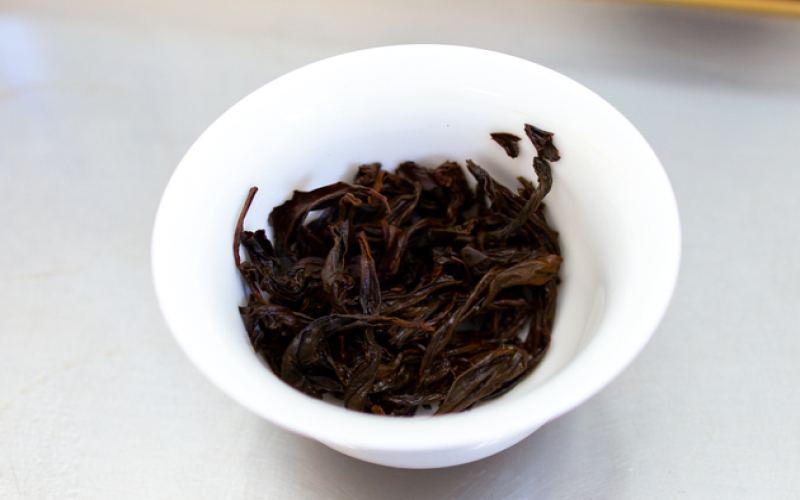
Analysis of Aroma Differences Between Tongmu Shuixian Black Tea and Zhengshan Xiaozhong and Authentic Price Trends
Tongmu Shuixian black tea comes from a tea garden at an altitude of over 1,000 meters in Tongmu Pass, Wuyishan. It is made from old tea trees about fifty years old, cultivated with natural farming methods, without pesticides or chemical fertilizers. Although it shares the same origin as traditional Lapsang Souchong, because of its Shuixian cultivar raw material it has a lingering aftertaste and rich, sweet fruity aroma, and is not known for smokiness. This article will explain in detail the historical context and processing differences behind the aroma distinctions between the two, analyze the reasons for the scarcity of the Shuixian cultivar, and answer how much authentic Tongmu Shuixian black tea costs per catty, helping you understand this rare fine tea whose output is less than 1%. [more…]
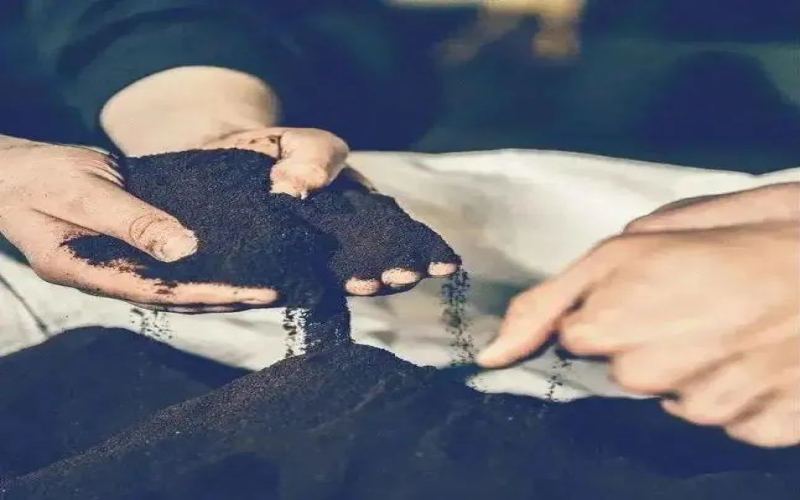
Coffee Grounds Drive Coffee Roasting: Japanese Company Teams Up with University to Develop Biochar Fuel, Claims Zero Carbon Emissions
As the most common waste product in coffee shops, coffee grounds generate over 8 million tons globally each year, and their disposal not only consumes energy but also pollutes the environment. Over the past decade, researchers have continuously explored ways to reuse coffee grounds, from blended fuels to eco-friendly boards, from clothing fabrics to food utensils, coffee grounds are transforming into a new eco-friendly favorite across multiple industries. A Japanese coffee roasting company has teamed up with a research team from Kindai University to develop a biochar fuel made from coffee grounds, and claims that the carbon dioxide released during combustion can be offset by the amount absorbed during the growth of coffee plants, thereby achieving zero carbon dioxide emissions. This "fighting magic with magic" environmental approach—how exactly is it achieved? [more…]

Where Do Common Off-Flavors in Pour-Over Coffee Come From? Analyzing Roast Dryness and Methods to Improve Tasting Ability
When an unpleasant flavor appears in a cup of coffee, it is often not accidental, but rather a deviation in some detail during growing, processing, roasting, or brewing. If we can identify these negative flavors one by one, we can work backward to infer what went wrong with the cup, which is practically helpful for improving tasting ability and optimizing brewing and roasting. Front Street Coffee has compiled several of the most common off-flavors in pour-over coffee—including miscellaneous odors, earthiness, woodiness, smokiness, charcoal, medicinal notes, mustiness, rubber, and rot, as well as astringency and dryness, two tactile sensations that are not tastes—and analyzes their causes and key points for identification one by one. [more…]
Sun Moon Lake Ruby Taiwan Tea No. 18 Brewing Guide: Processing Parameters, Flavor Evolution, and Tasting Notes
Ruby Black Tea No. 18 from the Sun Moon Lake tea region in Nantou, Taiwan, is beloved by tea enthusiasts for its distinctive mint, spice, and red fruit aromas. Based on three tea samples from the Shanxi Tea Experience Set—Myanmar Assam, Taiwan Mountain Tea, and Ruby No. 18—this article documents in detail the parameters for gongfu tea brewing and the flavor changes across each infusion, from the appearance of dry leaves to the layered tastes at each steeping stage, and shares pairing insights with Black Forest chocolate cake. If you are interested in this tea's origin background, processing recommendations, or tasting methods, this note will provide practical, firsthand reference. Front Street Coffee also continuously follows such expressions of origin flavor, bringing more cross-disciplinary inspiration to coffee and tea drinkers. [more…]
An Analysis of Blue Mountain Coffee Bean Brewing Methods: The Complete Guide to the Differences Between Jamaican Blue Mountain and Blue Mountain Flavor Blends
Jamaican Blue Mountain coffee holds a special place in the global coffee landscape, but misconceptions surrounding it are also particularly numerous. This article starts with a comparison between Front Street Jamaican Blue Mountain coffee and Blue Mountain flavor coffee, sorting out the true definition of Blue Mountain coffee's place of origin, its grading system, and its hierarchical relationship with High Mountain coffee and Jamaican coffee, while also explaining why Blue Mountain flavor blends have nothing to do with Blue Mountain. The article also introduces the suitability of charcoal roasting for Blue Mountain beans, the differences between Japan's traditional flannel brewing and domestic pour-over methods, helping coffee enthusiasts recognize the true face of Blue Mountain coffee and avoid being misled by low-priced "Blue Mountain" when making purchases. [more…]